Tuesday, November 30, 2010

"왜 항상 돈이 없지?"…돈맹 탈출 6계명

"왜 항상 돈이 없지?"…돈맹 탈출 6계명

"왜 항상 돈이 없지?"…돈맹 탈출 6계명

[머니위크 커버]돈맹 탈출/유형별 돈맹 처방 비법

학창시절 낙제생이나 재테크 하수들에게는 공통된 아픔이 있다.

"오늘 시험, 모르는 것만 나왔어요!" "돈은 늘 나를 피해가요."

그 하소연처럼 정말 이들은 단지 '운'이 지지리도 없었던 것일까?

김대중 교보증권 상무는 "공부를 하나도 안 한 아이가 모르는 것만 나왔다고 하는 것이나 돈(경제)에 대해 하나도 모르면서 피해간다고 하는 것이나 똑같은 이치"라며 "아는 게 없다는 것을 스스로 밝히는 것과 다름없다"고 말했다.

설혹 당신이 그러한 '돈맹'(돈+盲, 돈을 제대로 관리하지 못하는 사람)일지라도 너무 낙심하지는 마라. 김대중 상무는 "선천적으로 색깔을 정상적으로 구분하지 못하는 색맹과 달리, 후천적인 돈맹은 교육이나 생활습관에 따라 극복이 가능하다"고 했다.

모든 질병의 치료는 정확한 원인 진단과 이에 따른 처방이 필수인 법. 재테크 전문가들의 도움을 받아 돈맹도 눈을 뜨게 하는 재테크 해법을 점검해본다.

◆ 돈맹의 어떤 유형?

* 카드 청구서를 보면 깜짝깜짝 놀란다(예상보다 금액이 많아서).
* 웃으며 시작한 부부 대화의 끝은 돈 때문에 싸움으로 치닫는다.
* 큰돈 들어갈 일이 생기면 대책은 딱 2가지다. 빌리거나 포기하거나.

위 예시들을 보며 '딱 내 얘기'라고 맞장구치고 있다면 돈맹에 관한 정밀 검사가 필요하다는 증거다. 특별히 소득이 적지도 않은데, 흥청망청 쓰지도 않는 것 같은데 늘 돈이 없어 쩔쩔매고 있는 경우라면 더욱 그러하다.

제윤경 에듀머니 대표는 "돈이 없어서 저축을 할 수 없다고 하는 사람들 대부분은 돈에 대한 태도에 문제가 있는 경우가 더 많다"고 말했다. 현재 자산의 많고 적음을 떠나 돈에 대한 태도 자체가 돈을 모이게도 하고 떠나게도 한다는 것이다.

돈맹의 유형별 문제점과 대책을 살펴보자. 조영경 FM 파트너스 대표가 '게으른 돈맹' '부지런한 돈맹' '개미형 돈맹' '베짱이형 돈맹' '불나방형 돈맹' 등 5가지 돈맹의 유형별 대책을 제안했다.

◆ 게으른 돈맹 vs. 부지런한 돈맹?

양호한 소득수준에도 불구하고 '바빠서' 혹은 '잘 몰라서'라는 핑계로 돈 관리에 상당히 소극적이라면 '게으른 돈맹'이라 할 수 있다. 주로 맞벌이 부부에게서 나타난다. 돈에 대한 부족함을 크게 못 느끼기 때문에 돈 관리를 귀찮아하거나 미루는 것이 습관이 됐다.

조영경 FM 파트너스 대표는 "게으른 돈맹에게 절실한 것은 '돈 관리를 해야 하는구나' 라는 강력한 동기부여"라고 꼽았다. 부동산이나 주식 등 재테크 세미나에 참석해보는 것이 도움이 될 수 있다. 참여자들의 열정을 느끼고 자신도 변해야겠다는 생각을 갖기 위한 것. 단 판단력이 부족한 상태이므로 세미나에서 들은 정보를 바탕으로 섣불리 투자를 하는 것은 금물이다.

돈 관리에 관심이 많지만 적용 능력이 떨어진다면 '부지런한 돈맹' 유형. 의욕이 넘쳐 열심히 투자하긴 했는데 결과가 없거나 잔뜩 벌여놓고 수습이 되지 않는 경우가 흔하다. 이때는 먼저 라이프 사이클을 분석해서 가장 집중해서 준비해야 할 것부터 우선순위를 두고 목표달성에 적합한 수단을 찾는 게 필요하다. "저녁 메뉴를 정하고 장을 보러가라."

조영경 대표는 "마트에서 맛있다고 선전하는 것들을 다 산다고 한들 먹고 싶은 음식이 되는 것은 아니다. 무엇을 만들 것인지 정하고 그에 맞는 재료를 구입하라"고 조언했다.

'개미형과 베짱이형 돈맹'은 주로 남편이나 아내 한쪽에 나타나는 특징이다. 외벌이의 경우 남편은 열심히 일만하고 아내가 돈 관리를 맡아서 하는 것이 일반적이다. 분업이 이뤄지다 보니 남편은 더욱 돈 관리와는 거리가 멀어져 돈맹인 경우가 많다.

개미형 돈맹의 배우자가 돈 관리를 잘한다면 가정은 화목하고 자산도 늘어나게 된다. 하지만 그렇지 않을 때 문제가 발생한다. 남편 몰래 계를 하다 계주가 도망간 사례, 평수 넓히려고 무리하게 대출 받았다가 '하우스푸어'로 전락한 사례, 펀드열풍이 불던 시절 막차타고 중국증시 상투 잡은 사례 등. 문제가 터지고 나면 수습이 어렵다. 개미형 돈맹 배우자는 평소 가정의 재무관리에 같이 참여하는 것이 중요하다.

반면 베짱이형은 재정상황을 무시하고 하고 싶은 것을 다하는 철부지 남편 혹은 아내의 경우다. 스스로 각성이 필요하다.

불나방형 돈맹 유형도 있다. 레버리지를 이용해 한 방 터뜨리려다 쪽박 찬 경우다. 조영경 대표는 "언제 또 사고를 칠지 모르기 때문에 불나방형에게는 가급적 돈을 만지지 못하게 하는 것이 차선의 대안"이라고 말했다.


◆ 돈맹 탈출 6계명

'지피지기면 백전백승' 돈을 제대로 관리할 수 없는 문제점을 파악했다면, 구체적인 돈맹 탈출 전략을 짜보자. 모든 돈맹들이 실행해볼 수 있는 돈맹 탈출 법칙을 모았다.

1. 라이프 사이클을 그려봐라
소득이 언제까지 지속될지, 저축 가능한 기간은 언제까지인지, 자녀에게 돈은 언제 많이 들어가는지 등 라이프 사이클을 구체적으로 그려보자. 사이클 표를 매일 아침저녁으로 보면 정신이 번쩍 들 수 있다.

2. 지출예산을 세워라
월 지출계획을 세워라. 고정적인 지출(주택관련 관리비, 교육비, 교통비, 통신비 등)과 변동적인 지출(외식비, 문화생활비 등)로 구분해서 세워라. 지출이 수입을 초과한다면 당연히 소비를 줄여야 한다. 우선 변동지출부터 줄인다.

3. 현금흐름을 기록하라
지출이 발생할 때마다 바로 기록을 하는 것이 좋다. 다이어리를 이용하든 핸드폰을 이용하든 곧바로 기록을 하는 것이 좋다.

4. 주 1회 결산하라
기록 못지않게 중요한 것이 지출관리다. 예산의 범위 내에서 지출이 되고 있는지 1주일 단위로 잘라서 결산을 하는 것이 좋다.

5. 저축은 자동이체를 걸어라
저축 가능한 금액을 정했으면 자동이체를 하는 것이 좋다. 비정기적인 상여금에 대해서도 어느 정도 저축할 것인지 계획을 세우자.

6. 경제신문과 경제잡지를 가까이하라
경제신문(잡지)을 1면부터 마지막까지 읽어보라. 무지에서 비롯된 돈맹일 경우 주식이나 부동산, 신종 금융상품 등 각종 정보가 담긴 경제신문(잡지)을 1년 동안 꾸준히 보면 돈맹 탈출에 도움이 된다.


WHO | From Pledges to Action
New Delhi, India

WHO | From Pledges to Action<br>New Delhi, India

Draft partner's forum banner

From Pledges to Action
New Delhi, India

Partners' Forum 13-14 November 2010

Contents

In 2010, the global community is two-thirds of the way to the target of achieving the Millennium Development Goals (MDGs) by 2015. Over the past decade many countries have taken significant steps towards reaching the MDGs, but there is need for renewed energy and commitment in this last mile, particularly as related to achieving MDGs 4 & 5.

In 2010, many high-level meetings have emphasized the importance of maternal, newborn and child health, including the G8 summit in June, the African Union Summit on MNCH, and the MDG Summit/UN General Assembly in September.

The Partners' Forum in New Delhi in November 2010 renewed commitments pledged through this important year and provided a platform for developing strategies and networks that promote accountability for those pledges. The program of the Forum built on the MNCH Consensus and Global Strategy for Women’s and Children’s Health by featuring success stories in financing, delivery and accountability, identifying innovative strategies, policies and programs that can be scaled up for change.

The meeting in Delhi was significant also as it was five years after the 2005 Lives in the Balance conference, at which the Delhi Declaration was launched and The Partnership for Maternal, Newborn and Child Health (PMNCH) was born. Today PMNCH has more than 300 partner organizations including governments, multilateral organizations, donors and foundations, civil society organizations, health care professionals' associations, and academic, research and training communities. This will be the second full meeting of PMNCH partners, following the first Partners' Forum in Dar es Salaam in April 2007.

In this special section of the PMNCH website, find all reports and information about “From Pledges to Action – A Partners’ Forum on Women’s and Children’s Health”. On your right, find links to:

  • The text of the Delhi Declaration 2010
  • The final Highlights Report from the Rapporteurs
  • The Media centre with press release and clippings on the Forum
  • Presentations, photographs and speeches to download
  • The final Agenda, Biographies of speakers and the List of Participants
  • A visit to the Innovation Showcase and its original presentations.

Twestival writes the book on social media giving | SMI

Twestival writes the book on social media giving | SMI

oday’s an exciting day for Twitter, social media, mass collaboration and charity; Twestival, the fundraising drive organised primarily through the social messaging medium by more than 1,000 volunteers in 175 cities across the world will bring together between 10,000 and 20,000 tweeple to raise funds for charity:water, with the aim of bringing clean, safe drinking water to thousands of people in the developing world.

Jemima Kiss at The Guardian reports on the origins of Twestival, including an interview with co-founder and driving force Amanda Rose, who hasn’t had more than 4 hours sleep every night in the run up to the big day. Rose says:

“I would do cartwheels if we made over $1m … That would pay for 50,000 people to get safe clean drinking water for 20 years, so they can spend less of the day finding water and more time being educated. If everyone just gave $20, that would give one person clean water for the rest of their life.”

New York Twestival organiser Paull Young has a guide up on Mashable of 5 ways to help Twestival reach their goal of raising $1m. While real-life meetups spun out of online communities are nothing new, The New York Times’ Bits blog’s interview with Amanda Rose suggests that Twitter has a slight difference which has made Twestival possible:

“… the Twitter community is particularly adept at mobilizing Internet activity into real-world action because the undercurrent of social currency is strong within the service’s ever-expanding community.”

Update: If you haven’t secured a Twestival ticket or just want to see how other cities kick it, check out the Twestival Live Earth realtime streaming site.


Elsewhere on the web:

Jason Kincaid at TechCrunch reports on the Associated Press hack which reveals that Facebook is worth just $3.7 billion, and posts other juicy details of the Facebook/ConnectU settlement.

Om Malik sends out a distress signal on behalf of Blip.fm, which the Wall Street Journal reports is in deep waters.

Days after its launch, Google’s Social Web Blog has announced a new social media tool launch from the Friend Connect team: the social bar, which concentrates many of the basic social functions into a small strip at the top or bottom of a webpage. The social bar is customizable and can be used in addition to existing gadgets. Here’s an example of the social bar in action and Google’s video explaining more:

Twitter addicts, rejoice! There’s a new version of TweetDeck on the way, and Marshall Kirkpatrick at ReadWriteWeb has a sneak preview of the new features, including language translation, more coherent hashtag support and easier group management.

Monday, November 29, 2010

Health Systems 20/20

Health Systems 20/20

1 2 3 4 5

Welcome to Health Systems 20/20, USAID’s global health project working to strengthen health systems in developing countries. Strong health systems are critical to the achievement of better health outcomes. Health Systems 20/20 uses an integrated approach to address the financing, governance, operational, and capacity constraints in a health system that impede access to and use of life-saving priority health services. Read more in the project brief.

The Health Systems 20/20 project is a Leader with Associates cooperative agreement for 2006–2011 funded through USAID’s Health Systems Division within the Global Health Bureau serving all offices including maternal and child health, family planning and reproductive health, and HIV/AIDS.

Thinking Outside the Box on Global Poverty

Richard Levins - Human Ecology - Writings - How to Visit a Socialist Country (Monthly Review April 2010)

Richard Levins - Human Ecology - Writings - How to Visit a Socialist Country (Monthly Review April 2010)

HOW TO VISIT A SOCIALIST COUNTRY

Richard Levins

Harvard School of Public Health Boston, MA USA

Instituto de Ecología y Sistemática, Boyeros, Havana, Cuba

(Monthly Review April 2010)

Travelers from the United States to Cuba cross more than 90 miles of sea: they cross decades of history. They may be limited to one suitcase, but carry trunks full of ideological baggage including biases about Cuba, beliefs about communists, commitments as to what a good society should be like, and a collection of conventional poli-sci formulas about power, government, and human behavior.

“Coming from North America or Europe to a typical Cuban urban neighborhood, the visitor’s first impression might be one of poverty: crumbling or poorly maintained buildings, pot-holed streets, ancient cars, homes where there are few “extras” etc. On the other hand, if you arrive from Latin America or another developing country, other aspects of Cuban life might get your attention: no street kids, no malnourished faces, no beggars, and people walking the streets at night with almost no fear.”(Circles Robinson, Havana Times September 2008).

Or easily identified as foreign, they may be beset by scouts for private tiny restaurants, offers of guides, ginateras (a Cuban euphemism for usually amateur prostitutes).

Members of delegations usually have planned itineraries, visiting various institutions and cultural events. They will learn about health care, education, cultural and sport resources, commitment to an ecological pathway of development, urban agriculture, equitable distribution through the rationing system, full employment, formal aspects of the political and judicial systems, achievements in gender and racial equality. These are all true, and demonstrate how far a poor country can go with so little. But it is obviously not the full story. There is nothing sinister in this, These are the things that Cuba has been pioneering in, is most proud of and eager to show the world.

When you get to know people better, the descriptions become more nuanced. Given the platform of achievement, difficulties and dissatisfactions command people's day to day attention. Basic equality has been undermined, not by socialism but by concessions to capitalism. There is no homelessness, but some 16% of the housing is classified as substandard. There is no unemployment, but there are wasteful jobs like parking lot attendants which have become necessary only because of the inequality. There has been a massive recruitment of teachers in order to reduce class size, but teaching is not just a job, it is a calling. People enter on a wave of enthusiasm and some learn it isn't their thing, leading to a great turn-over in the teaching profession. And there are people who manage to live without working. There is little crime by U.S. standards, but you still have to lock your car.

My own experience has been that the more committed revolutionaries have the most serious, complex, and thoughtful criticisms, while counterrevolutionaries mostly complain about particular hardships or unpleasant incidents.


...

Health Systems 20/20: News: APHA Annual Conference Kicks off in Denver

Health Systems 20/20: News: APHA Annual Conference Kicks off in Denver

Health Systems 20/20 joined some 12,000 public health professionals from the US and around the world to participate in the 138th Annual Meeting of the American Public Health Association. Under the theme of Social Justice: A Public Health Imperative, thousands gathered at the opening general session and left inspired for the week and work ahead.

Christine Ortiz (left), Ha Nguyen (right), Credit: Liz NugentIn the opening session, Dr. Cornel West, American philosopher, author, critic, actor, and civil rights activist, and professor at Princeton University, extolled attendees as "representing America at its best" and heralded their "steadfast commitment to the well-being of others." Dr. Howard Ko, Assistant Secretary of Health, Department of Health and Human Services, referred to attendees as "professionals that make things happen" who work tirelessly to help others reach the "highest attainable standard of health."

The Abt presence was strong at the meeting with International Health presenting seven panel and poster presentations and the Domestic Health Division making eight presentations.

For the second year in a row, the Abt booth in the exhibit hall won a first place blue ribbon for best booth. Abt staff, including a strong contingency from human resources, spent four busy days meeting and greeting folks at the booth. At a reception for colleagues and clients, Abt offered an opportunity for conference attendees to mingle, meet new colleagues, and catch up with old friends.

It was an exciting five days of attending scientific sessions, visiting the hundreds of organizational booths in the exhibit hall, and attending APHA section meetings and socials. Denver welcomed attendees with sunny skies and temperatures in the 70s and sent participants off with snow and sleet. Attendees left energized and ready for next year's meeting in Washington, DC, to take place October 29 - November 2, with the theme, Healthy Communities Promote Healthy Minds and Bodies.

Health Systems 20/20 Presentations

USAID Health: Health Systems, Publications, Health Systems Assessment Approach Manual

USAID Health: Health Systems, Publications, Health Systems Assessment Approach Manual

Health Systems Assessment Approach Manual

Cover: Health Systems Assessment Approach Manual
Download the complete manual [PDF, 2.3MB].

Health systems assessments provide a snapshot of health system performance across the six building blocks of the health system. They have been completed in more than 15 countries to date.
The Health Systems Assessment Approach is a diagnostic tool used:

  • To enable USAID Missions to assess a country’s health system, possibly during early phases of program development or sector planning; to diagnose the relative strengths and weaknesses of the health system, prioritize key weakness areas, and identify potential solutions or recommendations for interventions.

  • To inform Population, Health, and Nutrition officers and USAID Mission health teams about the basic elements and functions of health systems.

  • To improve the capacity of bilateral projects to achieve USAID’s health impact objectives through increased use of health systems interventions.

  • To aid health systems officials at USAID to conceptualize key issues, increase the use of health systems interventions in technical program design and implementation, and improve the role of the Health Systems Division.

  • To inform Ministries of Health and other stakeholders on the relative strengths and weaknesses of the health system, priority issues, and potential solutions or recommendations for interventions and programs.

This approach is designed to provide a rapid, comprehensive assessment of key health systems functions. The approach is organized around technical modules that guide data collection and cover the following areas:

  • Governance
  • Health financing
  • Health service delivery
  • Human resources
  • Pharmaceutical management
  • Health information systems

This is a rapid assessment of overall health systems’ functions and resources that can be used to analyze the entire health system or particular aspects of the system. It also can be tailored to specific initiatives or diseases, such as HIV/AIDS, TB, malaria, and maternal and child health. The manual provides some guidance for linking findings to the USAID Mission’s strategic objectives and can inform an in-depth analysis of priority health programs (such as a family planning or malaria assessment). Assessment findings also can be used to support proposals and requests for funding.

Note: A revision to the Health Systems Assessment Approach methodology is being prepared during calendar year 2010 to incorporate the first four years of experience.

Related Links

Back to Top ^

WHO | Support for the Global Fund Round 10 call on health system strengthening (HSS)

WHO | Support for the Global Fund Round 10 call on health system strengthening (HSS)

Support materials

The following resources provide technical guidance that countries may find helpful in preparing health system strengthening (HSS) activities as part of a proposal to the Global Fund, Round 10.

Making the case for health system strengthening
This brief paper summarizes some critical points that proposals with HSS activities must make for greater chance of success. Four country examples illustrate credible lines of argument.

English [pdf 79kb] | French [pdf 120kb]


Strengthening health systems to improve health outcomes [pdf 863kb]
This WHO document provides a simple framework for thinking about the key elements, or 'building blocks' of any health system, that may need to be tackled in order to improve access, quality of health services and ultimately health and health equity, in ways that are responsive and financially fair.

Strengthening district management [pdf 626kb]
This WHO aide-mémoire provides guidance on necessary components for good leadership and strong management at the operational level.

The importance of a good information system [pdf 67kb]
This document provides guidance on the elements of a good information system, as well as the rationale and necessary linkages for including system strengthening in a HSS proposal.

Effective planning for human resources for health [pdf 141kb]
This WHO guide offers operational steps for developing the health workforce and describes necessary components to any plans for scaling-up initiatives and for the development of funding proposals.

Developing national health workforce strategies [pdf 156kb]
This document has been developed by a civil society-led network. Though primarily an advocacy document, it proposes guiding principles for national health workforce strategies.

Community Health Workers (CHWs) [pdf 262kb]
This WHO paper reviews the current state of evidence on the use of CHWs, including their use in programmes and activities, as well as costs and impact on health outcomes.

Incentives for the health workforce
This excerpt from the Disease Control Priorities Project provides a good overview of issues for consideration when designing health workforce incentives.

Addressing challenges in diagnostics and laboratory services [pdf 249kb]
This paper addresses laboratory capacity challenges that may limit the scale-up of services for tuberculosis, malaria, and HIV/AIDS.

Toolkit for monitoring health system strengthening
This toolkit has 6 modules for monitoring: service delivery, information systems, financing, human resources, medical products and governance. It provides indicators and related measurement strategies. The draft version has been developed by WHO and the World Bank, in collaboration with country experts and other organizations working in this field.

Stop TB Policy Paper: Contributing to health system strengthening [pdf 678kb]
This policy paper by Stop TB discusses how national TB programmes can contribute to stronger health systems.

For further information

The Global Fund board's decision point [pdf 68kb]
The Global Fund board's decision point from November, 2007 on its strategic approach to health system strengthening can be accessed at the link above.

Further information on specific health systems topics can be found on the WHO health systems website, including a series of briefs entitled Making Health Systems Work.

For health statistical information, The World Health Statistics, WHO 2010 is a useful resource for HSS applicants.

대한모유수유의사회 > 모유먹이기 글보기

대한모유수유의사회 > 모유먹이기 글보기

나란히 젖 먹이기

권위 있는 국제 단체들마다 두 돌 이후까지 젖 먹이는 것을 권하지만 수유 중 너무 일찍 임신이 되어 큰 아이와 작은 아이를 동시에 수유하게 되는 사태가 벌어지면 어떻게 해야 할까요?

큰 아이 모유수유하던 김에 동생을 보고도 둘을 나란히 젖먹이는 경우가 많지는 않겠지만 나란히 젖먹이기는 처음부터 마음 먹은 결과일 수도, 아니면 어쩌다 보니 그렇게 되었을 수도 있으며, 즐거울 수도 괴로울 수도 있습니다. 그러나 가능하면 임신 중에 미리 준비를 해서 어느 날 갑자기 하루 아침에 나란히 젖먹이기를 하겠다고 결정하는 일은 피하는 것이 좋겠습니다.

큰 아이가 두세 돌이 지나 말귀를 알아 듣는 나이라면 형아는 이제 컸으니까 이제 태어날 동생을 잘 보살펴 주고 예뻐해 주고, 아기는 젖 말고 다른 맘마는 아직 못 먹으니까 아기에게 먼저 젖먹는 것을 양보하자는 등 동생에 대해 미리 이야기를 나누어 준비를 시킵니다. 또 분만 전부터 몇 주 동안 먹을 음식을 미리 만들어 냉동해 놓고 큰 아이의 스트레스를 덜기 위해 동생이 태어날 때 가능한 큰 아이를 멀리 떼 놓지 않는 것도 분만 후 큰 아이와 더 많은 시간을 같이 보내는 데 도움이 됩니다.

◆ 작은 아이 낳고 나서 실제적인 사항들

분만 후 첫 수일 동안은 신생아에게 젖 먹는 우선권을 준다.

처음 나오는 초유는 신생아 시기에 꼭 필요한 특별한 면역 성분이 들어 있는 농축된 영양 물질이기 때문에 분만 후 첫 수일 동안은 신생아에게 우선권을 줍니다. 큰 아이가 가끔씩만 젖을 먹는 경우는 신생아가 먹고 있는 수유량을 확인하기 위해 신경 쓸 필요가 없지만, 큰 아이가 자주 먹는다면 신생아에게 먼저 젖을 먹여야 합니다. 처음 며칠 동안은 동생이 젖을 먹을 때쯤 아빠나 다른 식구들이 미리 큰 아이의 관심을 다른 곳으로 돌리거나, 잠깐 산책을 나가는 방법을 쓸 수도 있습니다. 그러나 보통은 2-3일만 지나면 젖양이 늘어나기 때문에 이런 기간이 길 필요는 없습니다.

갓 태어난 동생이 젖 먹는 것을 보게 되면 일시적으로 큰 아이도 더 자주 젖을 찾을 수도 있고, 그러면 대변 양상이 변하기도 한다.

큰 아이에게 엄마 젖은 음식 이상의 것으로 위안과 친밀감의 원천입니다. 동생이 생겨 엄마의 애정을 빼앗긴 것으로 느끼게 되면 어린 아기로 돌아가 엄마의 사랑을 다시 되찾고 싶어하게 됩니다. 특히 엄마의 관심을 얻기 위해 전에 없이 요구 사항이 많아지고 젖도 더 자주 찾을 수 있습니다. 초유와 이행유는 변을 묽게 하는 경향이 있기 때문에 이 때 자주 젖을 먹게 되면 큰 아이의 변이 묽어지고 배변 횟수도 좀더 많아지게 됩니다. 그러나 대개 2주 정도가 지나 성숙유 시기가 되면 이런 현상은 사라집니다.

나란히 젖먹이기는 울혈을 에방하고 젖양을 늘리는 데 도움이 된다.

출산 후 3-4일째 젖양이 갑자기 늘 시기에 큰 아이가 젖을 같이 먹어 주면 ‘울혈’을 예방하거나 완화하는데 도움이 됩니다. 그러나 어떤 아이들은 동생이 태어나기 전에 먹던 것처럼 엄마 유방이 부드러워지고 친숙해질 때까지 젖빨기를 거부하기도 합니다. 또한 젖양은 유방을 효과적으로 비우는 정도에 따라 결정이 되기 때문에 큰 아이가 힘차게 젖을 빨면 젖양이 효과적으로 늘어나게 됩니다.

나란히 젖먹이는 동안 대부분의 경우 일반적인 위생만으로도 충분하다.

규칙적으로 목욕이나 샤워를 하고, 깨끗한 옷을 입고, 일반적인 위생 수칙을 지키는 것만으로도 나란히 젖먹일 때 유방 관리로 충분합니다. 유두 주변의 몽고메리 선에서 항세균 물질이 분비되며 모유에는 가정이나 형제 자매들이 노출되는 대부분의 세균에 대한 항체들이 포함되어 있습니다. 또한 한 아이에게 증상이 나타나기 전에 감기나 장염 등 감염의 원인이 되는 세균이나 바이러스가 이미 다른 아이에게 노출되었기 때문에 한 아이가 감기나 일상적인 질병에 걸렸을 때, 각각 한 쪽 유방만 빨도록 제한할 필요는 없습니다. 즉 증상이 확실해질 때는 이미 수일 동안 엄마 유방을 서로 나누어 바꿔 먹은 후가 될 것이기 때문입니다.

그러나 아구창은 예외인데 이러한 곰팡이 감염은 엄마 유방과 아기의 입 사이에 서로 전염을 시킬 수 있으며 한 번 감염되면 치료가 쉽지 않기 때문입니다. 또한 중증 질환이나 전염력이 강한 질병의 경우 병에 따라서는 의사의 조언에 따라 아이들 각자에게 한쪽씩 유방을 정해서 먹일 수도 있습니다.

나란히 젖먹이기를 하는 엄마는 영양과 수분 섭취에 신경을 쓰고 충분히 휴식을 취해야 한다.

쌍둥이에게 젖을 먹일 때와 마찬가지로 나란히 젖을 먹이는 엄마는 한 명만 수유할 때보다 배가 더 고프고 더 자주 갈증을 느낄 수 있습니다. 정식으로 식사를 차리지 않더라도 간편하게 먹고 마실 수 있는 음식을 가까이 준비해 놓는 것이 좋습니다. 소변 농도로 수분 섭취 정도를 가늠할 수 있는데, 소변 색이 진해지거나 변비가 생기면 수분 섭취를 좀더 늘려야 합니다. 엄마가 충분히 휴식을 취하기 위해 가족이나 친구들의 도움을 흔쾌히 받아들이고, 필요하면 집안 일을 도와줄 분을 구하는 것이 좋습니다.

신생아와 큰 아이에게 어떤 식으로 젖을 나누어 먹일지 결정하는 것은 엄마의 몫이다.

실제로 나란히 젖먹이기를 어떻게 할 지에 대해서는 엄마가 가족 내 상황에 가장 적절한 방식을 택하면 됩니다. 모유에 대한 신생아의 신체적 요구가 더 크지만, 둘 중 누구를 먼저 먹이고, 어느 쪽 젖을, 얼마나 오래 먹일지 융통성 있게 대처하면 나란히 젖먹이기가 훨씬 수월해질 것입니다. 때문에 나란히 젖먹이는 엄마들에게 자신의 욕구와 두 아이의 욕구를 균형 있게 충족할 수 있는 본인 나름의 방법을 찾도록 격려하는 것이 좋습니다.

신생아의 요구:

나란히 젖먹이기를 할 때는 어린 아기가 젖을 충분히 먹고 있는지 흔히 걱정이 됩니다. 때문에 큰 아이에게 젖을 먹이는 시간을 제한하거나 동생이 먹고 난 후에만 먹여야 한다고 생각할 수도 있습니다. 큰 아이가 잘 따라주면 별 문제가 없겠지만, 그렇지 않다면 젖양은 수요·공급의 원칙으로 결정되기 때문에, 어떤 방법으로 먹이던지 대부분 두 아이를 먹일 만큼 젖이 충분히 만들어집니다. 일반적으로는 신생아에게 먼저 젖을 먹이는 것이 가장 좋지만, 한쪽 유방을 정해서 계속해서 한 아이에게 먹이는 것보다는 양쪽 젖을 번갈아 가며 먹이는 것이 시력 발달을 위해 바람직합니다. 아기가 젖을 충분히 먹고 있는지 걱정이 되면 아기의 체중 증가를 주기적으로 확인하도록 하는 것도 도움이 됩니다.

큰 아이의 요구:

동생과 함께 젖을 나누어 먹거나 조금이라도 모유수유에 제한을 받게 될 때 어떻게 반응할지는 큰 아이의 나이와 기질에 달려 있습니다. 어떤 아이들은 특정 시간이나 장소에서만 젖을 먹는 것에 잘 적응하기도 하지만 2-3분이라도 있다가 젖을 먹으라는 것을 견디기 힘들어 하는 아이들도 있습니다. 동생이 태어난 후 퇴행을 보여 갓난 아기처럼 하루 종일 젖을 먹으려 하기도 하고 같은 아이라도 때에 따라 다르게 반응하기도 합니다. 때문에 큰 아이와 동생을 함께 먹여도 보고, 누구를 언제 먹일지 달리 해 보거나, 일정한 시간에 큰 아이에게 젖을 먹여 보는 등 아이들과 엄마가 자신에게 가장 잘 맞는 방법을 찾을 때까지 여러 가지 다양한 방법을 시도해 보는 것이 좋습니다. 이러한 결정을 할 때 아이들의 감정뿐만 아니라 엄마 자신의 감정도 함께 고려하는 것이 중요합니다.

하루는 큰 아이에게 전혀 젖을 먹지 않다가, 다음 날은 하루 종일 젖을 먹으면 유방이 불편하기 때문에 엄마는 큰 아이의 모유수유를 어느 정도 일관성 있게 유지할 필요가 있습니다. 유방을 불규칙하게 비우게 되면 유선염이 생길 위험이 커지므로 주의해야 합니다.

엄마의 요구:

나란히 젖먹이기에 대한 느낌과 아이들의 욕구를 엄마 자신의 감정과 조화를 이루도록 하는 방법을 강구해야 합니다. 어떤 엄마들은 두 아이에게 동시에 젖을 먹여 수유 시간을 짧게 할 수 있으면 훨씬 더 쉽게 적응하기도 합니다. 반면 두 아이를 동시에 수유하면 불편하고 성가셔서 각자 따로 먹이는 것을 더 선호하는 엄마들도 있습니다. 어떤 엄마들은 큰 아이와 동생 모두 스스로 배고파 먹고 싶어할 때 먹이는 것을 더 편하게 느끼기도 하고 반면 큰 아이에게는 수유시간과 장소를 정해서 먹이는 엄마들도 있습니다. 여러 가지 다양한 방법들을 시도해 보고 엄마가 주관적으로 가장 좋다고 느끼는 나란히 젖먹이기 방법을 선택하면 됩니다.

아빠가 도와 주거나 슬링이나 캐리어를 사용하면 더 쉽게 두 아이의 욕구를 충족시킬 수 있다.

아기용 슬링이나 캐리어를 사용하면 아기를 안은 상태로 양 손을 자유롭게 쓸 수 있어 큰 아이를 돌보기가 좀더 수월합니다. 특히 슬링을 한 채로 수유를 하면 아기에게 젖을 먹이면서 동시에 큰 아이가 원하는 바를 들어 줄 수도 있습니다.

물론 아빠가 좀더 적극적으로 도와줄수록 좋습니다. 큰 아이와 좀더 많은 시간을 보내면서 데리고 놀고 흥미로운 신체 활동을 해 주면 엄마 혼자 두 아이의 요구를 들어 주어야 하는 압력을 덜어줄 수 있습니다.

외출할 때는 나란히 젖먹이기가 쉽지 않을 수 있다.

아이들을 데리고 외출해야 할 때 집 밖에서 젖먹일 기회를 줄이려면 나가기 전에 먼저 두 아이에게 충분히 젖을 먹이고 또 나가서 큰 아이에게 먹일 간식과 음료를 갖고 가는 것도 한 가지 방법입니다. 외출 중 어쩔 수 없이 두 아이에게 젖을 먹이게 될 것 같다면, 남의 눈에 띄지 않게 수유를 할 수 있는 편한 수유복을 입고 덮어 씌워 가릴 수 있는 숄이나 담요를 미리 준비해 가는 것이 좋습니다.

◆ 감정 적응

나란히 젖먹이기에 대한 엄마의 감정은 사람마다 다르다.

엄마들마다 나란히 젖먹이기에 대해 긍정적으로, 또는 부정적으로 느낄 수 있습니다. 사람마다 감정이 다 다르고, 같은 사람이라도 매일매일 달라질 수 있으므로 한 엄마의 경험이 다른 엄마의 것과 동일하다고 판단하거나, 시간이 지나도 같을 것으로 생각하지 말아야 합니다.

처음에 엄마들이 나란히 젖먹이기를 하겠다고 마음 먹는 것은 큰 아이의 욕구에 더 마음이 쏠리기 때문입니다. 아직 태어나지도 않은 낯선 태아보다는 이미 속속들이 잘 알고 있는 아이에게 관심을 갖는 것은 너무나 자연스러운 일입니다. 그러나 아기가 태어나면 많은 엄마들이 순식간에 마음이 바뀌고 맙니다. 출산이나 모유수유 관련 호르몬의 작용으로, 특히 엄마의 분만 경험이 긍정적이었다면, 방해받지 않고 갓난 아기를 품 안에 꼭 껴안고 있고 싶은 마음이 들게 마련입니다. 때문에 큰 아이가 갑자기 다 자란 아이로 느껴지면서 큰 아이에게 젖을 먹이느라 아기와 함께 할 시간을 빼앗긴다는 것에 화가 나기도 합니다.

모든 엄마가 다 이런 극적인 감정 변화를 겪는 것은 아니지만 큰 아이를 위해 나란히 젖먹이기로 결정했던 엄마가 그런 느낌을 갖게 되면 자신의 이런 반응에 깜짝 놀라고 죄의식을 갖기도 합니다. 그러나 이러한 상반되는 감정-처음에는 큰 아이를 위하고자 하였던 마음이 갑자기 아기의 요구에 대해 분노하게 되는-은 갓난 아기가 새로 태어날 때 식구들 간에 흔히 일어나는 정상적인 현상일 수 있습니다.

큰 아이에게 젖을 먹이지 않더라도 이와 비슷한 부정적인 마음이 들 수 있지만 젖먹이는 것이 이러한 역학 관계 중 일부일 때는 부정적인 감정을 모유수유 탓으로 돌리기가 쉽습니다. 그러나 이런 과정을 겪는다고 해서 다시는 큰 아이에게 젖먹이는 즐거움을 누릴 수 없는 것은 아닙니다. 분만 후 이러한 감정의 급변은 아주 흔하며 시간이 얼마 지나지 않아 곧, 엄마의 강렬한 감정은 사라지고 좀더 현실적인 관점을 갖게 될 것입니다.

나란히 젖먹이기 하면서 엄마가 “소외되고 고립된 것 같은” 느낌을 갖는다면 매일매일 잠시라도 자신만을 위한 시간을 갖도록 한다.

“소외되고 고립된 것 같은 느낌”은 엄마가 하루 종일 아기를 달래고, 안아 주고, 수유하다 보면 자기 자신만의 물리적인 공간을 필요로 할 때 이따금 갖게 되는 감정입니다. 아이들도 엄마를 필요로 하고 남편도 아내와 신체적인 친밀감을 나누고 싶어 하나 엄마 역시 자신의 몸을 자신이 온전히 갖고 싶을 때가 있는 법입니다.

이런 감정 역시 흔히 있을 수 있습니다. 나란히 젖먹이기가 이러한 감정의 원인이라고 생각할 수 있으나, 큰 아이에게 젖을 먹이지 않더라도 역시 아이가 엄마와 가까이 있고 싶어하고 엄마에게서 위안을 찾으리라는 점을 상기해야 합니다. 매일 잠시라도 자신만을 위한 시간을 내서 샤워를 하거나 짧게 산보라도 하는 것이 좋습니다. 짧게라도 혼자 있는 시간을 갖는다면 기분을 전환시키는 데 아주 큰 효과를 볼 수 있습니다.

엄마가 긍정적인 성격이고 유머 감각이 있다면 나란히 젖먹이는 것이 훨씬 수월할 것입니다. 본인에게 이런 점들이 부족하다면 공감하며 이야기를 들어 줄 수 있는 사람-남편, 친구, 나란히 젖먹이기 중인 다른 엄마, 모유수유를 지지하는 사람들-과 이야기를 나눌 기회를 자주 갖는 것이 좋습니다.

엄마가 큰 아이에게 젖을 떼고자 한다면 점진적이고 자연스러운 젖 떼기 방법을 선택한다.

나란히 젖먹이기가 너무 부담스럽고 별로 내키지 않는다면 점진적으로 자연스러운 방법으로 큰 아이의 젖을 뗄 수 있습니다. 처음에는 긍정적인 마음으로 나란히 젖먹이기를 시작했지만 실제 경험은 상상했던 것과 전혀 다르다고 느낄 수도 있습니다. 여러 가지 다른 방법으로 두 아이에게 모유수유를 하고자 노력해 보았지만 여전히 불편하다고 느껴지면 큰 아이에게 젖을 뗄 결정을 할 수 있습니다. 이 때는 점진적이고 무리하지 않게 젖 떼는 방법을 강구해야 하겠습니다.

2010. 11. 22. 소아청소년과전문의, FABM, IBCLC 정유미

Sunday, November 28, 2010

(b) MPhil/PhD, DrPH and Occasional Studies


 http://www.lshtm.ac.uk/prospectus/howto/applforstudy.html


Although there is no closing date for applications for occasional studies or for the degrees of MPhil and PhD, it is strongly recommended that applications for the DrPH should be made by 1 March as studies begin in September of each year. The start of the 2010-11 academic session is 27 September 2010.

Applications for admission to the School should be made to the Registry and not directly to academic faculties. All applicants should include with their application a short research proposal (maximum 1,500 words including footnotes and references). This should indicate the area in which the student wishes to specialise enabling the application to be directed to appropriate potential supervisors. The research proposal is also an important way of indicating the extent to which the student already understands the background to their proposed research, and the range of methods which may be employed. In addition, it will help the School to decide whether coursework may be required in the first year. Applicants for DrPH studies should indicate where they would prefer to carry out their professional attachment.

An important part of the research application is a short (maximum 1,500 words) research proposal written by the applicant. This will indicate the area in which the student wishes to specialise enabling the application to be directed to appropriate potential supervisors. The research proposal is also an important way of indicating the extent to which the student already understands the background to their proposed research, and the range of methods which may be employed. This also helps the School to decide whether extensive coursework may be required in the first year. Applicants for DrPH studies should indicate where they plan to spend their period of professional attachment.

학교..

물론 Johns Hopkins는 당연히 지원을 하겠지만..

요즘 관심이 가는 학교들..
최고의 보건대학원은 아니더라도
policy component를 강조하는 학교들..

Harvad
London
Yale
Columbia

그리고 당연히 아래의 학교들..


University of North Carolina
University of Washington


그리고 추가로 Duke정책대학원도 고려해볼 만 한듯..
Johns Hopkins가 나에게 가장 맞는 초이스일까?

점점 의문이 들어가기 시작했다.
많은 수업들이 있지만 너무나도 fragmented되었다는 느낌이고..


하지만 이곳은 너무나도 많은 연구들이 분절화 되어 있다는 느낌이고
특히 policy의 측면을 강조하는 면이 적다는 느낌이 들 때가 많다.
결국 단일의 specific한 disease erradication등의 측면에집중하는 경향등이 보이고
전체적인 보건의료 체계의 강화의 측면등을 비롯한 정책적인 측면에 있어서는
관심도가 웬지 떨어진다는 느낌..


어쩌면 JHSPH는 public health policy를 다루는 학교라기 보다는
public health science를 다루는 학교이지 않은가 싶다. 

WHO | Monitoring the building blocks of health systems: a handbook of indicators and their measurement strategies

WHO | Monitoring the building blocks of health systems: a handbook of indicators and their measurement strategies

Monitoring the building blocks of health systems: a handbook of indicators and their measurement strategies


Number of pages: 93 pages
Publication date: October 2010
Languages: English

Increased attention to the strengthening of health systems would not be sustainable in the absence of a sound monitoring strategy that enables decision-makers to accurately track health progress and performance, evaluate impact, and ensure accountability at country and global levels. This handbook describes a set of indicators and related measurement strategies, structured around the WHO framework that describes health systems in terms of six “building blocks”: service delivery, health workforce, information, medicines, financing and governance.

:: Download the full handbook [pdf 2.08Mb]


DOWNLOAD THE HANDBOOK BY SECTION

- Cover and table of contents [pdf 291kb]
- Section 1: health service delivery [pdf 394kb]
- Section 2: health workforce [pdf 384kb]
- Section 3: health information systems [pdf 376kb]
- Section 4: access to essential medicines [pdf 413kb]
- Section 5: health systems financing [pdf 317kb]
- Section 6: leadership and governance [pdf 308kb]

CSIS Smart Global Health in Kenya: Insights and Experiences 1 of 6

CSIS Smart Global Health in Kenya: Partnerships and Clinical Innovation ...

CSIS Smart Global Health in Kenya: Governance, Security, and Empowerment...

International Health Policy: Comparative Health Care Systems

Strategic Problem Solving in Global Health

Global Challenges in Health Systems

Elizabeth Bradley - Strengthening Health Systems Through Research in Action

Saturday, November 27, 2010

Health Initiative - Health Systems Handbook - Tanya Mounier

Systems thinking for Health Systems Strengthening

The Fifth Discipline Book Review - The Learning Organization "Bible"

Peter Senge: 2010 Systems Thinking in Action Conference Preview

WINTERPLAY / SONGS OF COLORED LOVE~色彩のブルース~

Winterplay - I Will Jazz Version Music Travel LaLaLa 090902

Albireo's PowerBook Forum - View Single Post - Playboy誌 스티브 잡스 인터뷰 (1985년 2월)

Albireo's PowerBook Forum - View Single Post - Playboy誌 스티브 잡스 인터뷰 (1985년 2월)

http://www.albireo.net/forum/showpost.php?p=52978&postcount=1


당장 모험자본가 세대 정신을 대표하는 자를 한 명 뽑으라면, 애플 컴퓨터 주식회사의 카리스마를 가진 공동 창립자이자 사장인 스티븐 잡스를 뽑을 수 있다. 그는 캘리포니아 Los Altos의 한 차고에서 시작한 사업을 10억 달러 규모의 회사로 일궈냈고, 창립 5년만에 포천 500대 기업에 올라서게 만들어냈다. 역사상 그 어느 기업보다도 빠른 속도다. 게다가 제일 당혹스러운 사실이 한 가지 있다. 그의 나이가 아직 29세밖에 안 됐다는 것이다.

애플은 미국의 가정과 사업장에 개인용 컴퓨터를 소개하였다. 1976년 애플 창립 이전의 컴퓨터에 대한 이미지는 SF 영화 속에 나오는 컴퓨터의 이미지였다. 거대한 기업과 정부 기관 안 쪽에 음산하게 숨어 있는 크고, 조용한 메인프레임이 삐빅거리고 반짝거리는, 그런 이미지 말이다. 그러나 트랜지스터, 그리고 마이크로프로세서 칩이 등장하면서 컴퓨터 기술의 소형화가 가능해졌고, 개개인도 접근할 수 있게 되었다. 그래서 70년대 중반 컴퓨터 조립킷이 나타났고, 여러 취미가들의 흥미를 끌었는데, 가격은 375달러 정도였다.

샌프란시스코 남쪽에는 이미 전자회사와 젊은 신생기업들이 밀집되어 있는 마을에서, 장난과 전자기기를 좋아하는 두 명의 친구가 자기들의 소형 컴퓨터를 만들어내기 위해 회사를 만들어낸다. 당시 21세였던 잡스는 기계공의 입양아였고, Reed College를 자퇴한 뒤 Atari에서 비디오 게임을 디자인했었다. 26세인 스티븐 워즈니악은 실리콘밸리라 알려진 곳에서 제일 큰 회사 중 하나인 휼렛팩커드에서 엔지니어로 근무하고 있었다. 남는 시간에 이들은 임시변통의 컴퓨터(실제로 서킷 보드에 불과했다)를 하나 고안하였고, 엉뚱하게도 이 컴퓨터를 애플 I이라 불렀다. 별다른 기능은 없었으나 50명의 주문을 받았을 때 잡스는 개인용 컴퓨터 시장의 성장 잠재성을 알아보았다.

워즈니악의 관심은 주로 기술 부문이었다. 그러나 잡스는 일반인들을 위한 컴퓨터를 만들기 시작했다. 둘은 합세하여 키보드와 메모리(정보 저장을 위함이다)를 애플 I에 붙였고, 워즈니악은 디스크 드라이브(정보를 지속적으로 저장하고 읽어들이는 장치), 비디오 터미널을 추가시켰다. 잡스는 효율적인 전력장치와 우아한 케이스를 만들기 위해 전문가를 고용하였고, 드디어 애플 II가 태어났다. 그와 함께 개인용 컴퓨터 사업도 탄생하였다.

애플의 성장세는 정말 놀랍다. 애플이 잡스의 차고(실리콘 밸리 버전의 링컨 오두막집이랄 수 있다)에서 첫 해에 20만 달러의 매출을 올린 이후, 1984년 14억 달러의 거대 기업으로 성장했기 때문이다. 창립자들은 백만장자인 동시에 국민 영웅이 되었다. 대학으로 돌아가서 음악 축제를 후원하기 위해 1979년에 사실상 애플에서 은퇴했던 워즈니악은 상대적으로 애플 II 이후 기여한 것이 거의 없었으며, 애플을 계속 운영하여 미국 내 가정과 학교 컴퓨터의 70%에 애플 마크를 붙이고 경영권을 지켜내었으며, 400억 달러 규모의 초거대 기업 IBM을 개인용 컴퓨터 사업으로 끌어들이게 만든 장본인은 잡스였다.

포브스 지에서 미국 부자 순위에 들어가는 인물들 중 제일 젊은이는 추정 재산 4억 5천만 달러(대부분은 애플 주식이다)인 잡스다. (이 말도 해야겠다. 포브스지의 100대 부자들 중에, 자기 스스로 재산을 번 인물은 단 7명 뿐이었으며, 잡스도 이 중 하나에 들어간다.) 1983년의 불경기때문에 애플 주가가 하락하여, 최근 그의 재산은 장부상 거의 절반이 줄어들었다. 그래서 그의 총재산가치는 현재 2억 달러 정도이다.

하지만 잡스 얘기를 들어보면 돈 얘기는 이야기의 절반도 못 된다. 특히나 그는 돈을 많이 쓰지 않는다. (친구들과 거의 어울리지도 않는다고 한다.) 그는 개인용 컴퓨터, 특히 애플이 만드는 개인용 컴퓨터를 홍보하는 임무만 수행중이다. 그는 자기 물건 팔 시점을 놓치지 않는 상인이기도 하다.그는 컴퓨터가 나중에는 전화기, 혹은 내연기관처럼 혁명적이면서, 주방기기만큼이나 흔해지리라 묘사한다. 사실만 보더라도 애플 컴퓨터는 2백만 대 이상 팔렸다. 게다가 전국 교실이나 거실, 농장, 미사일 추적 센터, 사무실에서 쓰이는 소프트웨어 프로그램도 1만 6천여 종이 넘는다.

컴퓨터용 대중 시장을 만들면서 애플은 경쟁 환경 또한 조성하였다. 애플이 1977년부터 1982년 사이에 지배한 시장에서 경쟁을 하기 시작한 것인데, 아직까지는 IBM PC만큼 성공한 제품이 없다. IBM PC는 시장에 나오자마자 28%의 점유율을 재빠르게 차지하여 새로운 표준이 되었다. 애플은 시장점유율이 줄면서 리사와 애플 III를 선보였고 열광적인 반응을 받지 못하였다. 그래서 1983년 중반, 분석가들은 애플이 생존할 수 있는지의 여부를 크게 우려하기 시작하였다.

애플 내부의 권력투쟁도 있다. 잡스는 완전히 새로운 컴퓨터를 만드는 부를 통솔하는데, 잡스는 이 새로운 컴퓨터가 애플 최고의, 그리고 최후의 희망이라고 본다. 이 새로운 컴퓨터가 실패한다면? 잡스의 말이다. "IBM만 남게 될 겁니다. 그리고는 개인용 컴퓨터 산업을 파괴시키겠죠." 그리고 3년 후, 매킨토시가 2천만 달러 짜리 광고 캠페인과 함께 등장하였다. "나머지 우리들"을 위한 컴퓨터로 말이다. 매킨토시는 사용하기 쉬운 컴퓨터로 거대한 족적을 남겼다. 종이같은 하얀 화면에, 작은 그림으로 프로그램이 나타나 있고, "마우스(버튼이 있는 자그마한 롤링박스)"를 통해 화면상의 그림을 선택한다. 실로 매킨토시는 제일 무섭지 않은 컴퓨터이다. 장난감으로 사기에 너무 비싸며, 본격적인 사무용으로 적합하지 않다는 비판도 받고 있으나, 애플은 한 달 4만 대의 매킨토시를 제조해왔고, 올해 두 배로 늘릴 예정이다.

누구에게 말하느냐에 따라 다르지만, 잡스는 세상을 더 좋게 만든 선구자, 혹은 마케팅 기술만 요란하여 성공을 거둔 기회주의자로 나뉜다. 청바지와 스니커즈를 신고 60년대의 이상주의와 80년대의 사무실을 결합했다 자랑스러워 하는 회사를 운영하는 잡스는 사랑받는 존재인 동시에, 공포의 존재이기도 하다. 한 엔지니어의 말이다. "제가 하루 20시간 일하는 이유요? 잡스입니다." The Little Kingdom의 저자 마이클 모리츠(Michael Moritz)는 잡스의 변덕(하루는 칭찬하고, 다른 하루는 비난)이 매킨토시 팀을 쪼갤 뻔 했었다고 전한다. 잡스는 또한 펩시콜라 사장이었던 존 스컬리에게 다가가, 이런 제안을 하면서 애플을 맡아달라 요청하기도 하였다. "세상을 바꿀 수 있는데, 여기서 애들한테 팔아먹을 설탕물이나 파시겠소?" 스컬리는 제안을 받아들였다.

컴퓨터 혁명의 젊은(잡스는 다음달 서른 살이 된다) 아버지로서, 그의 삶과 기술을 돌아보기 위해 본지가 프리랜서 저널리스트인 데이비드 셰프(David Sheff)를 실리콘 밸리로 보냈다. 그의 기사이다.

"필자는 항상 옷을 과장되게 입는다. 그런데 애플이 참 캐쥬얼하게 입는다는 말을 들었다. 10억 달러 규모의 기업 우두머리를 인터뷰하기에 처음에는 넥타이를 맸다. 캘리포니아 쿠퍼티노에 있는 그의 사무실에서 처음 잡스를 만날 때, 그는 플란넬 셔츠와 청바지를 입고 있었다. 별로 필자가 이상하다는 생각은 안 들었다. 하지만 애플의 새 사장, 존 스컬리를 만나자 생각이 바뀌었다. 그는 티셔츠를 입고 있었다."

"애플 사무실은 보통의 사무실과는 상당히 다르다. 비디오 게임이 도처에 많고, 탁구 테이블이 놓여 있으며, 스피커는 The Rolling Stones에서부터 Windham Hill 재즈까지 음악이 흘러 나온다. 회의실은 다빈치와 피카소라는 이름이 붙어 있고, 간식실에는 냉장고가 있는데, 여기에 신선한 당근과 사과, 오렌지 주스가 들어 있다. (맥 팀은 한 해에 신선한 주스로만 10만 달러를 지출한다.)"

"잡스와 길게 얘기를 나눈 것은 일과 함께, Aspen과 Sonoma의 헬스 스파에서 보낸 휴가(그 해에 딱 두 번이었다)였다. 애플 월드에 대한 그의 이야기를 막을 방도는 없었다. 그는 IBM과의 전쟁에 대해 근엄하게 말하되, '단정하죠!'나 '미칠정도로 훌륭합니다!'와 같은 열정을 드러내기도 하였다."

"뉴욕시 유명인사들이 모인 한 아이의 생일파티에서 잡스를 만났을 때 인터뷰는 끝났다. 저녁이 되자 잡스는 9회 생일을 맞은 그 아이에게 캘리포니아 선물을 하나 주었다. 매킨토시 컴퓨터였다. 잡스는 그 아이에게 매킨토시의 그래픽 프로그램 안에서 어떻게 스케치를 하는지 보여주었다. 그러자 두 명의 남자가 잡스의 어깨너머로 그 광경을 쳐다 보았다. 한 남자가 흠, 하고 말했다. 앤디 워홀(Andy Warhol)이었다. '이게 뭐지? 키스! 이거 좀 봐. 정말 놀라워!' 옆의 남자가는 그라피티 예술가인 키스 해링(Keith Harring)이었다. 워홀과 해링은 맥을 쳐다 보았다. 워홀은 이내, 앉아서 마우스를 만졌다. 그의 외침이 들렸다. '맙소사! 내가 원을 그렸어!'"

"하지만 파티 이후가 더 인상적이었다. 손님들이 나간 이후에도 잡스는 아이와 함께 있었다. 맥의 요점을 알려주면서 말이다. 나중에 잡스에게 물어보았다. 두 명의 유명 예술가와 있을 때보다도 소년과 함께 있을 때가 더 행복해 보였다고 말이다. 그가 답변을 미리 준비한 것 같지는 않다. 그는 이렇게 말했다. '나이 든 사람들은 앉아서 이게 뭐냐고 물어 봅니다. 하지만 그 아이는 이렇게 물어 봤죠. '이걸로 제가 뭘 할 수 있죠?"

Tuesday, November 23, 2010

1161699058_Pete_Seeger_Arirang.mp3 (audio/mpeg Object)

1161699058_Pete_Seeger_Arirang.mp3 (audio/mpeg Object)

[55] 1957년 Pete Seeger의 10인치 Ariran 음반 (ar_s4)

[55] 1957년 Pete Seeger의 10인치 Ariran 음반 (ar_s4)

957년 Pete Seeger의 10인치 Ariran 음반


규 격 : 10인치 음반
내 용 : 1957년 Pete Seeger의 Ariran 수록 10인치 음반


한국전쟁의 참상은 이루 말할 수 없이 컸습니다다.
전쟁이 발발하면서 전 세계 언론은 매일 한국전쟁 소식을 알렸습니다.
그러나 전쟁이 장기화되면서 우리 민족의 고단한 삶이 소개되었고,
숨겨져 있던 우리민요 아리랑이 참전한 군인들의 기억 속에 스며들어
훗날 미국 땅에서 입에서 입으로 퍼져나가는 계기가 되었습니다.

아리랑은 1950년대 모던 포크 운동의 여파 속에 미국에서 급격히 퍼져 나갔고,
그 중심에는 피트 시거(Pete Seeger․1919~ )처럼 한국전쟁에 참전해
아리랑의 추억을 간직하고 영어로 아리랑을 부른 가수들도 있었습니다.
1951년 경기도 포천과 의정부 지역에서 보병으로 참전했던 피트 시거는
적으로 싸우는 북한에서조차 아리랑을 부른다는 사실을 알게 되었습니다.
한국에서 복무를 마치고 돌아간 피트 시거는 한국에서 듣던 ‘Ariran’을
만돌린과 비슷한 반조(banjo)라는 악기를 연주하며 구성지게 불렀습니다.

이 노래는 한국전쟁에 참전했던 많은 미국인들의 심금을 울렸고
1950년대부터 조안 바에즈(Joan Baez)와 함께 모던포크운동을 주도한 그는
아리랑을 부르기 전 아리랑의 역사와 배경에 대해 소개하는 멘트를 달았습니다.

“한국에는 다양한 멜로디의 아리랑이 있습니디다. (중략).
일본이 지배할 때는 이 노래를 금지하기도 했습니다다. 그러나 이 노래는
지금 남북이 분단되어 있지만 남한과 북한이 하나인 상징적인 노래이기도 합니다.”


피트 시거는 1950년대에 이미 아리랑은 남북이 하나 되는 상징적인 노래로 보았고,
아리랑을 부르는 한 한국과 북한은 분단국가가 아니라고 강조하기도 했습니다.
그 때, 50여 년 전 난무하는 포연 속에서 발견해 부른 구성진 아리랑은
1957년 미국에서 유명한 스틴손(Stinson)레코드 10인치 음반에 담겨
많은 사람들을 사로잡았고, 오늘날까지도 CD등에 담겨 사랑을 받고 있습니다.

한국전쟁 이후 반전운동에 뛰어 든 피트 시거는 그 후 부터 베트남전 반대,
심지어는 지난해 83세의 고령에 이라크전 반대 운동에 나서기도 했습니다.

* 정선아리랑연구소 소장자료 04-285


* 반전시위에서 노래를 부르는 Pete Seeger.

Monday, November 22, 2010

Jazz in paris - Coleccion completa (parte 1) - Taringa!

Jazz in paris - Coleccion completa (parte 1) - Taringa!

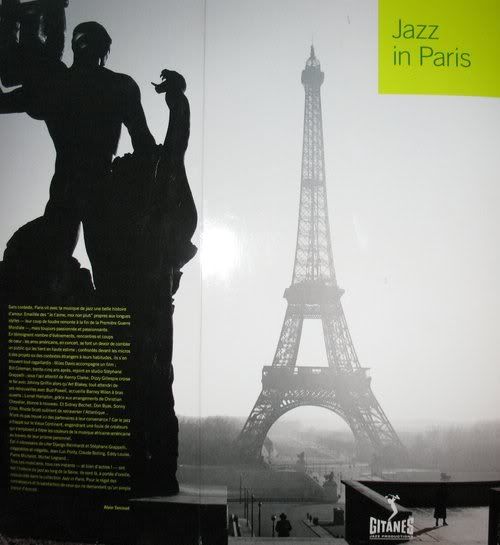
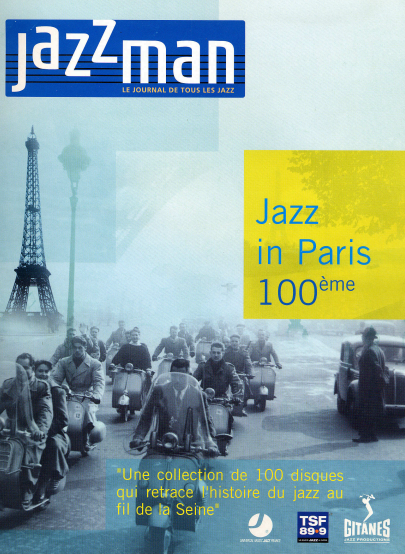
Great music from the good old time back in Paris..

Les dejo la coleccion completa de Jazz in Paris. Son originalmente 101 discos (numerados del 01 al 101), con un disco presentación (el 0), 11 discos que salieron con posterioridad (del 102 al 112) y 6 discos extras (denominadas HS).
5b415a0a74765006f122f979f487f751


Discos que componen la colección

00 Various Artists - Jazz in Paris Sampler
01 Louis Armstrong the best live concert vol. 1
02 Louis Armstrong the best live concert vol. 2
03 Miles Davis ascenseur pour l’echafaud
04 Donald Byrd byrd in paris (live)
05 Donald Byrd parisian thoroughfare (live)
06 Holland/Clayton/Singleton club Session
07 Bill Coleman from boogie to funk
08 Chet Baker broken wing
09 Dizzy Gillespie the giant
10 Slide Hampton exodus
11 Django Reinhard django et compagnie
12 Django Reinhard swing from paris
13 Django Reinhard swing 39
14 Mary Lou Williams I made love you paris
15 Elek Bacsik guitar conceptions
16 René Thomas the real cat
17 Toots Thielemans blues pour flirter
18 Buddy Banks jazz de chambre Bobby Jaspar quartet barclay
19 Henri Salvador pardon my english – plays the blues
20 Various Chanteurs/Chanteuses
21 Don Byas laura
22 Sidney Bechet/Claude Luter self-titled
23 Sonny Criss mr. Blues pour flirter
24 Guy Lafitte blue and sentimental
25 Henri Renaud New sound at “the boeuf sur le toit” (live) Zoot Sims quintet barclay
26 Barney Wilen jazz sur seine
27 Bobby Jaspar modern jazz au club st.-germain
28 Lucky Thompson modern jazz group
29 Pierre Michelot round about a bass
30 Oscar Peterson featuring Stéphane Grappelli Volume 1
31 Oscar Peterson featuring Stéphane Grappelli Volume 2
32 Michel Legrand paris jazz piano
33 Claude Bolling plays the original piano greats
34 Rhoda Scott / Kenny Clarke self titled
35 Eddie Louiss bohemia after dark
36 Memphis Slim & Willie Dixon aux trios mailletz
37 Sammy Price/Lucky Thompson paris blues live
38 Earl Hines paris one night stand
39 Kenny Clarke plays andré hodéir
40 Art Blakey paris jam session live
41 Eddie Louiss/Yvan Julien porgy & bess
42 Stéphane Grappelli improvisations
43 Jean-Luc Ponty jazz long playing
44 Lionel Hampton and his french new sound vol. 1 live
45 Lionel Hampton and his french new sound vol. 2 live
46 Lionel Hampton ring dem vibes
47 Various classic jazz à saint-germain-des-prés
48 Various modern jazz à saint-germain-des-prés
49 Various jazz & cinéma vol. 1 (Barney Wilen, Alain Goraguer)
50 Various jazz & cinéma vol. 2 (Art Blakey, Jazz at the Philharmonic, George Arvanitas)
51 Louis Armstrong and friends
52 Dizzy Gillespie cognac blues
53 Chet Baker quartet plays standards
54 Various clarinettes à saint-germain-des-prés
55 Various saxophones à saint-germain-des-prés
56 Stéphane Grappelli plays cole porter
57 René Thomas meeting mister Thomas
58 Django Reinhardt swing 48
59 Django Reinhardt django’s blues
60 Henri Crolla notre ami django
61 Art Simmons/Ronnell Bright piano aux champs-elysées
62 Lou Bennett pentecostal feeling
63 Rhoda Scott live at the olympia
64 Willie « The Lion » Smith music on my mind
65 Bernard Pfeiffer la vie en rose
66 Raymond Fol les 4 saisons
67 René Urtréger joue bud powell
68 Lionel Hampton mai 1956
69 Art Blakey 1958 paris olympia (live)
70 Le Jazz Groupe de Paris joue André Hodeir
71 Various jazz & cinéma vol. 3 (Goraguer/Jazz Groupe de Paris/Humair Soultette)
72 Don Byas ree-boppers Don Byas/Tyree Glenn orchestra Howard McGhee sextet James Moody quintet
73 Lucky Thompson with Dave Pochonet all stars
74 Alain Goraguer go-go-goraguer
75 Earl Hines in paris
76 Various danse à saint-germain-des-prés
77 Lester Young Le dernier message
78 Don Byas en ce temps-là
79 Stan Getz quartet in paris (live)
80 Henri Criolla begin the beguine
81 Elek Bacsik nuages
82 Stéphane Grappelli/Stuff Smith stuff and steff
83 Sarah Vaughan & violins
84 Dizzy Gillespie & his operatic strings orchestra
85 Bobby Jaspar jeux de quartes
86 Gerard Badini the swing machine
87 Stéphane Grappelli django
88 Gus Viseur de clinchy à broadway
89 Henri Crolla quand refleuriront les lilas blancs?
90 Django Reinhard nuit de saint-germain-des-prés
91 Django Reinhard nuages
92 Jack Diéval jazz au champs-elysées
93 Bernard Pfeiffer plays standards
94 Blossom Dearie the pianist Les Blue Stars
95 Sammy Price/Price & Doc Cheatham play gershwin
96 Max Roach parisian sketches
97 André Hodeir jazz et jazz
98 Various jazz & cinéma vol. 4
99 Various harlem piano in montmartre
100 Various jazz sous l’occupation
101 Joe Newman/Cootie Williams jazz at midnight

discos agregados a la colección original

102 Django Reinhardt place de brouckère
103 Buck Clayton and Friends (with Hal Singer)
104 Kid Ory at the Théatre des Champs-Elysées
105 Sonny Stitt Sits In with the Oscar Peterson Trio
106 Guy Lafitte Blues…
107 Stan Getz/Michel Legrand ‘Communications ‘72
108 Sammy Price Good Paree
109 George Wein Midnight Concert at the Olympia
110 Raymond Fol Echoes of Harlem
111 Maurice Vander Piano Jazz
112 Jazz et Cinéma Volume 5, (Henri Crolla, Hubert Rostang, André Hodeir)

extras

HS01. Sacha Distel - Jazz Guitarist (2003) - 2CD
HS02. Bill Coleman - The Complete Philips Recordings (1951-1952) - 2CD
HS03. Jean-Claude Fohrenbach - Fohrenbach French Sound (1954-1978) - 2CD
HS04. Henri Crolla - Le Long Des Rues (1957) - 2CD
HS05. Alain Jean-Marie - Afterblue - Lazy Afternoon (1998-1999) - 2CD
HS06. Anachronic Jazz Band - Anthropology (1976-1979) - 2CD

Catalogo original en frances

http://www.megaupload.com/?d=0RJAEMXW